Our role
The Jules Bordet Institute Ethics Committee is an independent body with the following missions:
- to give an opinion on all human experimentation protocols;
- to support and advise on the ethical aspects of the practice of hospital care;
- to assist in decision-making on ethical issues relating to individual situations.
Given the oncological specificity of the Jules Bordet Institute, its ethics committee is specialised in analysing and evaluating cancer research projects.
Created in 1978, the Jules Bordet Institute Ethics Committee was Belgium's first hospital ethics committee. It is one of 25 Belgian ethics committees with official approval that enables it to operate as a central ethics committee.

Activities
In 2020, in the framework of the new European legislation, the ethics committee had sole responsibility in Belgium for evaluating some 200 submission files and around 10 studies. During the pandemic caused by SARS-CoV2, the ethics committee also guided care providers in implementing procedures making it possible to manage the health situation and urgently reviewed various research projects on the subject.
The Jules Bordet Institute Ethics Committee also takes part in working groups organised at national level (Clinical Trials Regulation –CTR, models of information documents, etc.) and is a member of the BAREC (Belgian Association of Research Ethics Committees).
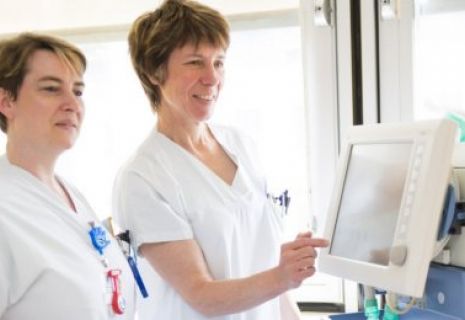
INTEGRITY AND PATIENT PROTECTION
The ethics committee ensures research integrity, respect for medical deontology and, above all, the protection of patients who participate in research and of their interests.
As guarantor of principles and of their application, the role of the ethics committee is to ensure that no patient can be recruited for a clinical trial without the agreement of an ethics committee and that no information contained in a patient's medical file can be used in a prospective study without the patient's agreement.
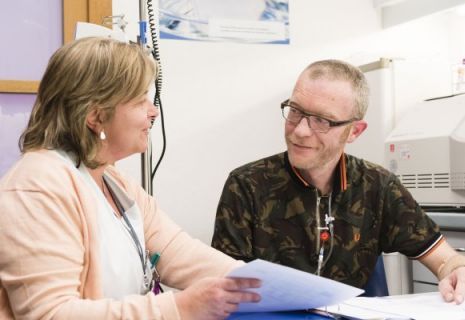
Consent
As part of its mission to evaluate research projects, the ethics committee ensures that patients approached to take part in a trial are properly informed of the content of the request by sending out Information and Consent Documents.
Participation in a clinical trial is an important decision for patients. The ethics committee supports the actions implemented by the Jules Bordet Institute to improve the information made available to the patient on the implications of the research (IREN Tool)
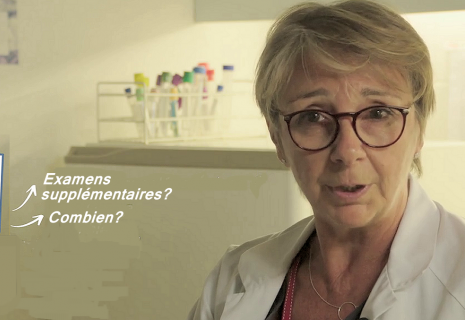
The ethics committee meets twice monthly in plenary session to review research projects that have been submitted for its evaluation. A select committee of its members also meets weekly to consider issues of lesser importance.
The ethics committee can also be contacted at any time for an opinion on problematic medical cases, new practices that raise questions or exceptional situations that require an ethical reflection.
Plenary meetings (Thursdays)
23/01/2025
06/02/2025
20/02/2025
06/03/2025
20/03/2025
03/04/2025
17/04/2025
24/04/2025
15/05/2025
05/06/2025
12/06/2025
26/06/2025
10/07/2025
24/07/2025
07/08/2025
21/08/2025
04/09/2025
18/09/2025
02/10/2025
16/10/2025
30/10/2025
13/11/2025
27/11/2025
11/12/2025
18/12/2025
Team
- President
- Marianne Paesmans (*1), Statistician with expertise in clinical research methodology, internal member
- Marianne Paesmans (*1), Statistician with expertise in clinical research methodology, internal member
- Vice-President
- Luigi Moretti (*1), internal member, physician expert in oncology
- Luigi Moretti (*1), internal member, physician expert in oncology
- Academical Secretary
- -
- -
- Physician members, oncology experts
- Ali Bohlok, internal member, deputy
- Dominique Bron, external member
- Tatiana Dragan, internal member
- Stylianos Drisis, internal member, deputy (*2)
- Andrea Gombos (*1), internal member
- Mireille Langouo, internal member (*2)
- Rita Saude Conde, internal member, deputy
- Marie Vercruyssen (*1), internal member
- Member General Practitioner
- Thierry Renard, external member
- Thierry Renard, external member
- Physician member - Anesthesist
- Denis Schmartz, external member
- Denis Schmartz, external member
- Pediatrician physician member, specialized in hemato-oncology
- Alice Ferster, external member
- Alice Ferster, external member
- Pharmacist
- Garance Scolas, external member
- Aaron Ntirandekura, internal member, deputy
- Nurses
- Patrick Crombez, internal member
- Frédéric Hoerner, external member
- Psycholog
- Florence Lewis, internal member
- Florence Lewis, internal member
- Lawyer
- Bénédicte Cuylits, external member
- Olivia Leyssens, internal member
- Statistician
- Lieveke Ameye, internal member, deputy
- Lieveke Ameye, internal member, deputy
- Patients representatives
- Roger Gioffredi, external member
- Roger Gioffredi, external member
- Ethicist
- Patrick Miqueu, internal member
- Patrick Miqueu, internal member
- Secretary
- Dominique Roels
- Veronique Vertriest
(*) Member of the Board of the Ethics Committee
(*2) Nomination in progress
14/01/2025
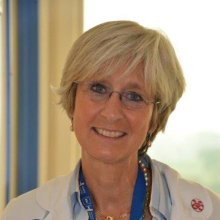
Professor D. Bron, member of the Jules Bordet Institute Ethics Committee since 1996, provides training on ethics and deontology.
She is also a member of the Belgian Advisory Committee on Bioethics and member of the Royal Academy of Medicine in her capacity as expert on medical ethics.