Ovarian cancer: taking a piece of the tumour to test treatments
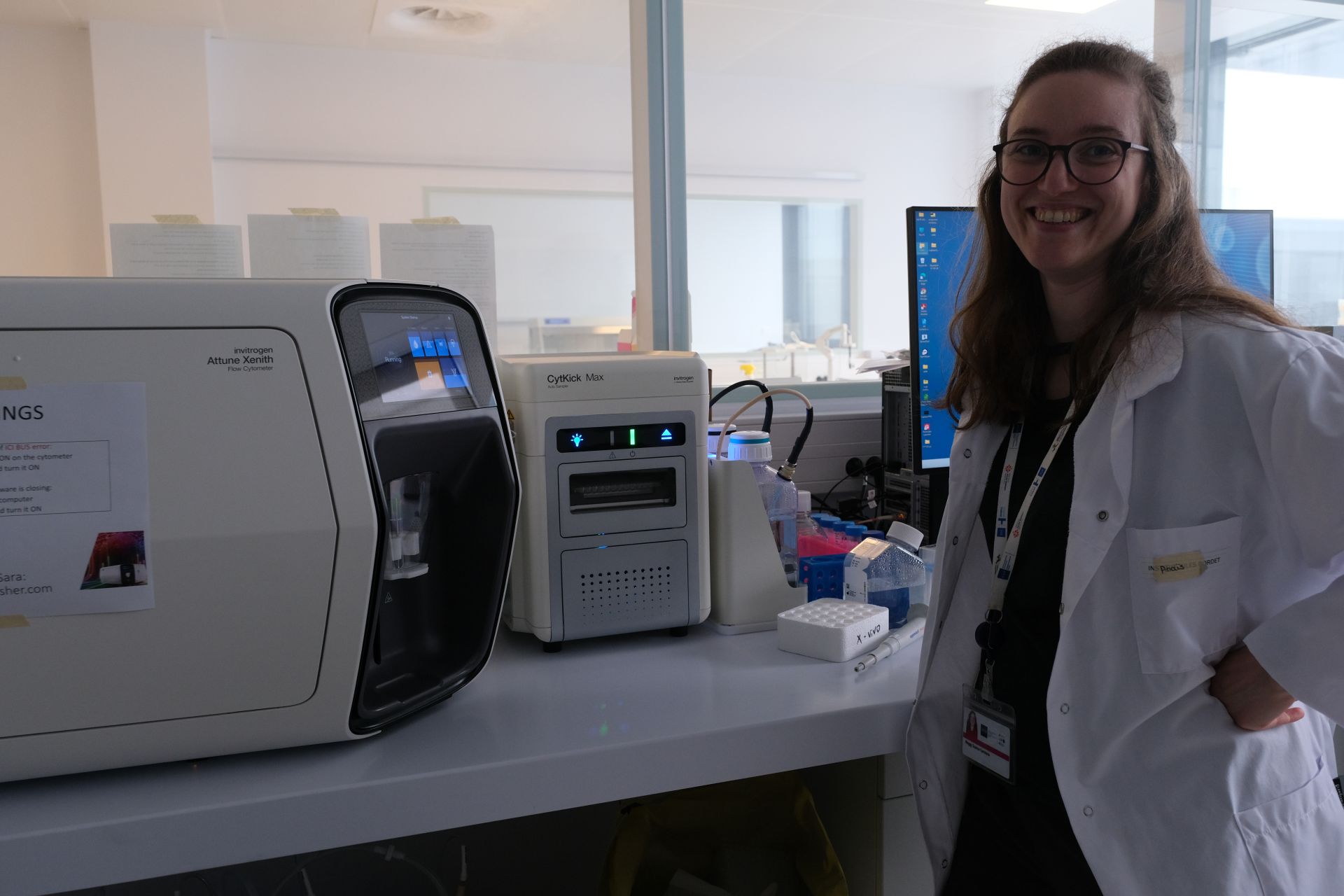
While Septembre Turquoise shines a spotlight on gynaecological cancers each year, research continues to make progress in understanding these diseases and, ultimately, treating them more effectively. At the Institut Jules Bordet (H.U.B), researchers are developing an innovative approach to study in the laboratory how a tumour from a patient with ovarian cancer responds to different treatments.
Every tumour is different and not all tumours respond to the same treatment in the same way. To better understand these differences, Meggy Suarez-Carmona, a ULB researcher at the Institut Jules Bordet, is developing an approach that involves taking a small fragment of the tumour during surgery and keeping it alive in the laboratory.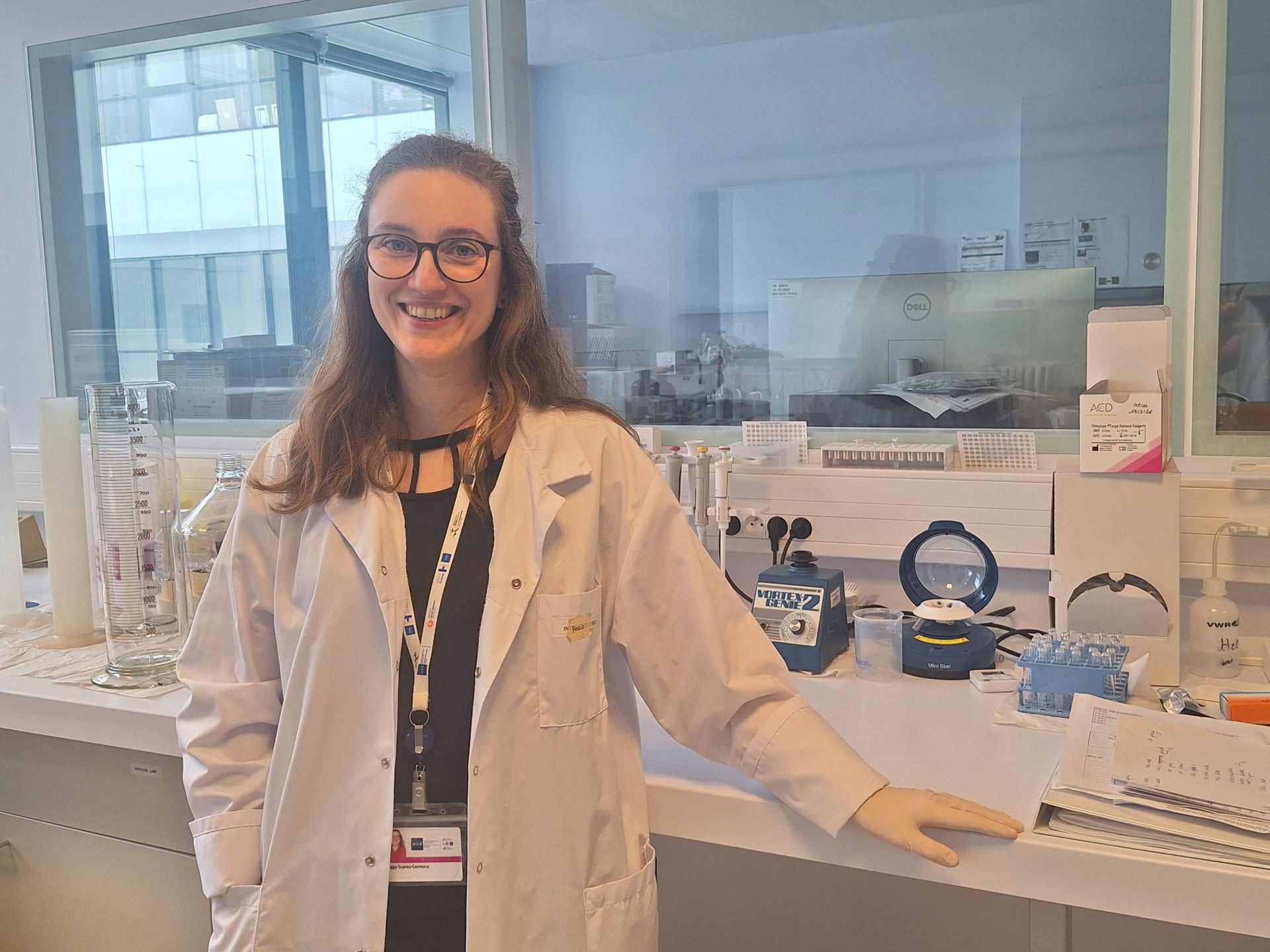
The fragment is cut into thin slices. Each piece can then be exposed to a different treatment, allowing researchers to directly observe how the tumour responds.
« Within just 48 hours, we can already obtain very valuable information about how the tumour responds to different treatments », explains Meggy Suarez-Carmona.
Testing treatments on the tumour, not on the patient
The benefit of this approach is that different treatments can be explored directly on tumour fragments, without exposing the patient to these treatments.
Researchers can therefore study different combinations of drugs or treatments that are still under development, and rapidly observe the first changes induced in the tumour.
The main aim is to better understand why certain treatments work for some patients but not for others. Meggy Suarez-Carmona is particularly interested in immunotherapy, whose benefits remain limited for many patients with ovarian cancer. By studying the interactions between cancer cells and their surrounding environment, her team aims to understand what enables certain tumours to resist treatment.
Understanding today to treat better tomorrow
For now, this approach remains a research model: it cannot yet be used to select an individual patient’s treatment, although its potential is promising.
If the model proves capable of predicting treatment response, researchers could one day test several treatments in parallel on the same tumour after it has been removed during surgery. The results could then provide physicians with additional information to help them select the treatment best suited to each patient.
Understanding why some tumours resist treatment could, in the future, help improve treatment selection and pave the way for new ways of fighting the disease.
The first experiments are planned from October onwards, thanks to close collaboration between researchers, surgeons and oncologists at the Institut Jules Bordet.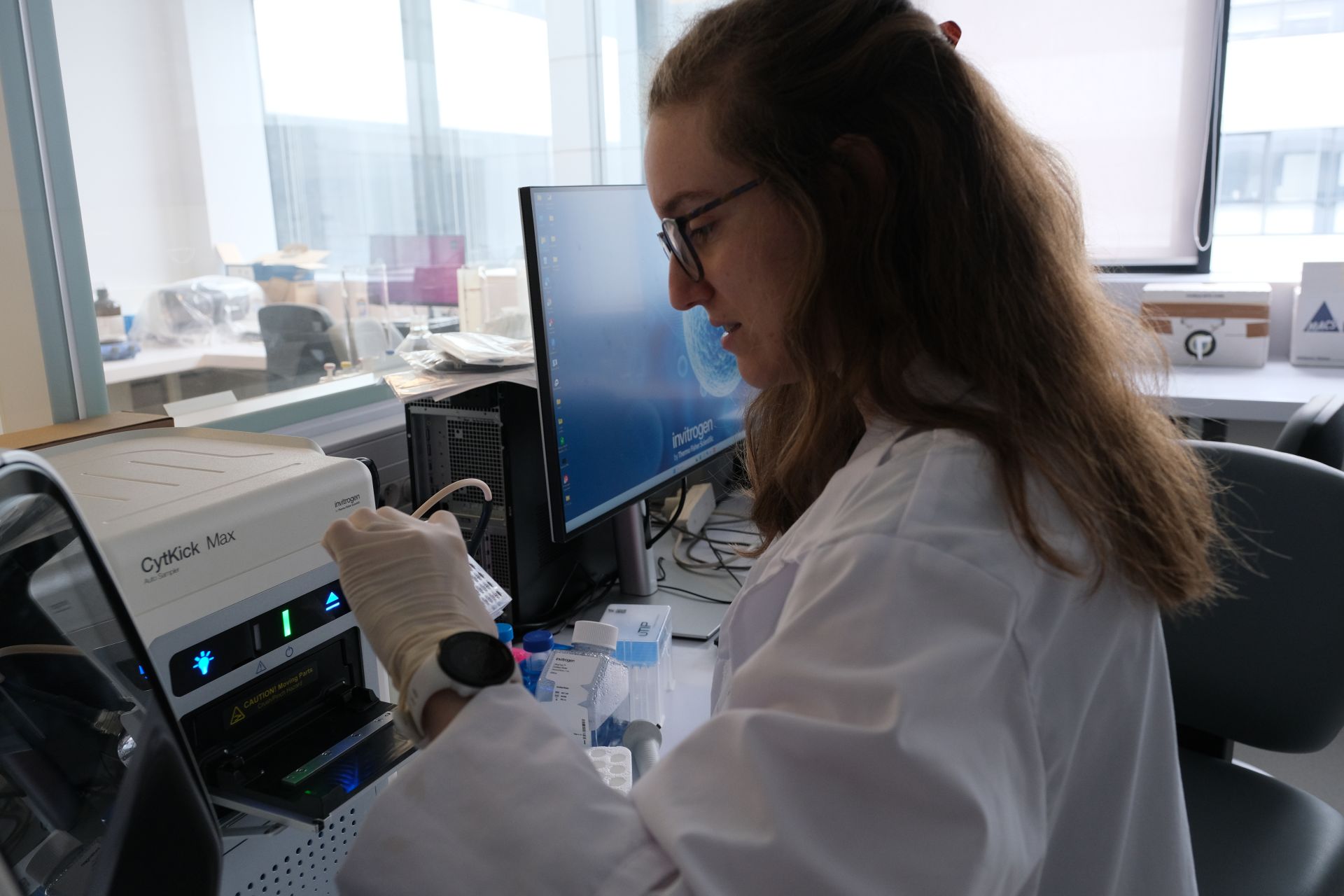
« Fundamental research can sometimes seem far removed from patients, but the discoveries made today often become tomorrow’s treatments », stresses Meggy Suarez-Carmona.
Through this research, the ambition is simple: to better understand each tumour and, ultimately, help ensure that every patient can receive the treatment best suited to their cancer.